
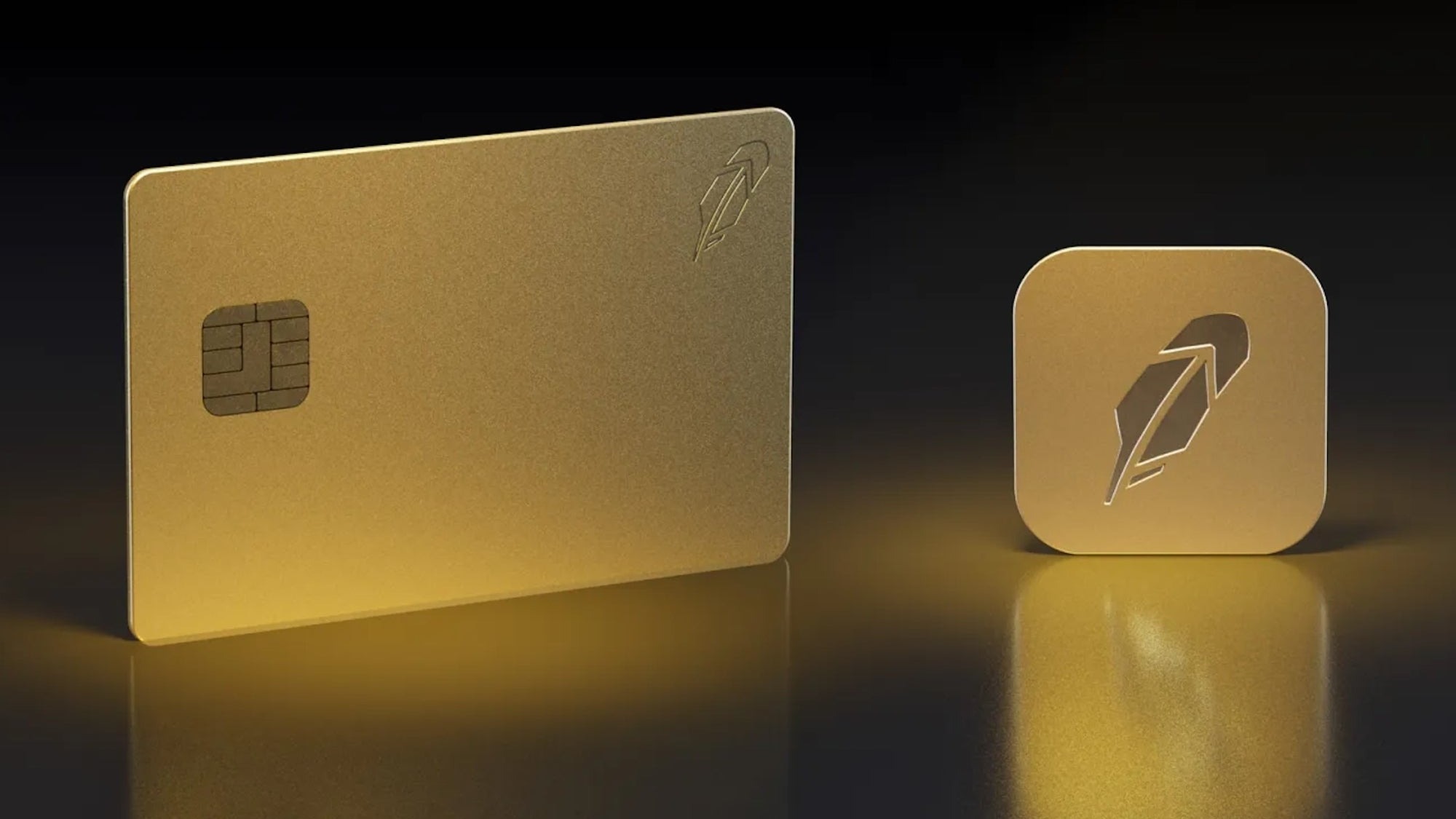
Quick answer: The Robinhood Gold Card pays 3% back on all eligible purchases with no card annual fee, but it requires Robinhood Gold membership at $50 a year. The full 3% needs points deposited into a Robinhood brokerage account or used in the travel portal, since statement credit value is only about 2.1%, and the break-even against a free 2% card is about $417 a month.
There’s a credit card paying 3% cash back on everything. No categories, no caps, no rotating calendars. It’s the Robinhood Gold Card, and for families with big non bonus spending, it’s worth a serious look. But the headline comes with fine print that changes the math.
Details verified October 26, 2026 against Robinhood’s own Gold Card rewards page.
The pitch
The Robinhood Gold Card is a Visa Signature (issued by Coastal Community Bank) that earns 3% back on all eligible purchases. The card itself has no annual fee. The catch: you must be a Robinhood Gold member, which costs $50/year (or $5/month). Travel bookings through Robinhood’s travel portal can earn up to 5x points on select purchases when you pay with the Gold Card instead of points; the base rate everywhere else is 3x.
Rewards earn as points worth 1¢ each when deposited into your Robinhood brokerage account or used in the travel portal. That’s how you get the full 3%.
The family math
The question isn’t whether 3% beats 2%. It does. It’s whether it beats 2% by enough to cover the $50 Gold membership. Break even point against a free 2% card:
- ~$417/month in spending if you pay Gold annually ($50/year)
- ~$500/month if you pay monthly ($60/year)
Most families clear that easily. At $2,000/month in non bonus spend:
- Robinhood Gold Card: $720/year back minus $50 = $670 net
- Free 2% card: $480
- Difference: +$190/year for doing nothing differently
And the 3% lands as cash in a brokerage account. For a family, that’s a quiet little investment contribution on autopilot.
The gotchas (read these first)
1. The full 3% only exists inside Robinhood. If you redeem as a statement credit instead of a brokerage deposit, points are worth roughly 0.7¢ each. Your 3% becomes ~2.1%, barely better than a free 2% card. The value proposition assumes you’re comfortable keeping rewards in the Robinhood ecosystem.
2. New accounts pay a 3% foreign transaction fee. Cards opened before July 1, 2026 have no foreign transaction fee; accounts opened after that date are charged 3%. Foreign currency purchases also earn no points at all. For a family travel card, that’s a dealbreaker on international spend. Use something else abroad.
3. No signup bonus. Most premium cards hand you 60,000–100,000 points up front. This one offers nothing on day one; the value builds slowly through spend.
4. You might wait. The card has run on a waitlist/invite system, with availability varying by period. Check Robinhood’s site for current status.
5. Balance transfers earn nothing here. Balance transfers are on Robinhood’s own list of transactions that don’t earn points, so this card is no use as a balance transfer tool. This is a pay in full every month card, full stop.
6. Lose Gold, lose the rate. The 3% earn requires active Gold membership. Let it lapse and new purchases stop earning at the elevated rate.
7. Bill pay earns nothing. Rent and housing payments, tax payments, gift card loads, and person to person payments are excluded from earning points entirely. This is a spend card, not a bill pay card.
Who it’s actually for
- Great fit: families already using Robinhood, with $500+/month in non category spend, who pay in full and will let the cash back sit in the brokerage.
- Skip it: if you want travel perks, lounge access, or transferable points. This card has none of those. And if your spend is mostly international, the 3% foreign transaction fee on new accounts disqualifies it.
The bottom line
The highest flat cash back rate on the market, with a $50 cover charge. For a family putting $1,500–$2,500/month on a catch all card, it nets $130–$250/year more than a free 2% card. Real money for zero extra effort. Just don’t expect it to be a travel card, and don’t redeem as statement credit.
How much does the Robinhood Gold Card cost?
The card has no annual fee, but requires Robinhood Gold membership: $50/year or $5/month.
How do I get the full 3% back?
Redeem points as a deposit into your Robinhood brokerage account (1¢ per point). Statement credit redemptions are worth less (~0.7¢ per point, or ~2.1% effective).
Does it have a foreign transaction fee?
For accounts opened on or after July 1, 2026: yes, 3%. Accounts opened before that date: no fee.
Is there a signup bonus?
No. The value comes entirely from ongoing spend.
How do I apply?
You must be a Robinhood Gold member, then join the waitlist or accept an invite on Robinhood’s site. Approval requires a hard credit pull. A small number of applicants may see the card offered through a partner channel such as Credit Karma without Gold, but that path is not available to everyone.
Is it good for families?
For families with $500+/month in non bonus spending who pay in full monthly: yes, it’s the highest flat rate available. It’s not a travel perks card and shouldn’t be your international spend card.
Leave a Reply