
Quick answer: On $24,000 a year of non-bonused spend, a flat 2% card pays $480 cash, while Freedom Unlimited at 1.5x earns 36,000 points worth $360 cashed out but $576 transferred to Hyatt at 1.6 cents per point. The break-even is 1.33 cents per point, so transfer to Hyatt and the 1.5x card wins, but cash out at 1 cent and the 2% card wins by $120 a year.
Every family eventually hits the same argument: is a flat 2% cash back card better than earning 1.5x points on everything? The 2% camp points at the statement credit. The points camp points at Hyatt. Both are right — about different things. Here’s the actual math, run on family numbers.
The two contenders
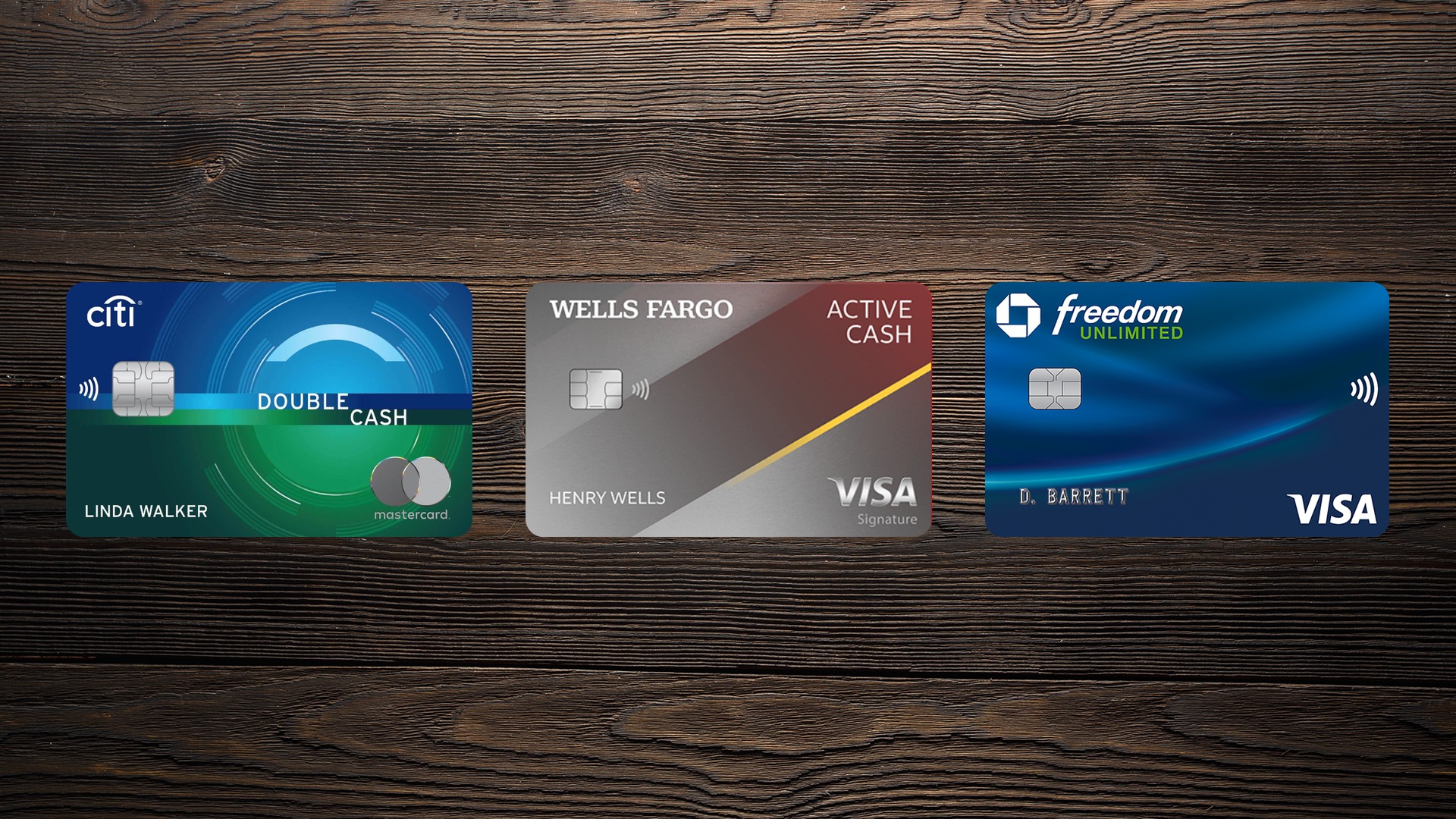
On one side: true 2% cards like the Citi Double Cash and Wells Fargo Active Cash. Every dollar, 2 cents back, no thinking required.
On the other: the Chase Freedom Unlimited at 1.5x Ultimate Rewards on non-bonused spend. Every dollar, 1.5 points.
All three cards have no annual fee, so this is a clean earn-rate fight with no fee math muddying it.
Round 1: pure cash
Take a family putting $24,000 a year on non-bonused spend — that’s $2,000 a month on the stuff no category covers.
- 2% card: $24,000 × 2% = $480 cash
- Freedom Unlimited (cashed out): 36,000 points × 1¢ = $360 cash
On pure cash, 2% wins by $120 a year. No debate. If you cash out your points at a penny each, the 1.5x card is leaving money on the table.
Round 2: the Hyatt transfer
This is where it flips. Ultimate Rewards transfer 1:1 to World of Hyatt, where family redemptions routinely clear 1.6¢ per point — and strong ones push past 2¢.
- Freedom Unlimited via Hyatt (at 1.6¢): 36,000 points × 1.6¢ = $576 in hotel value
- 2% card: still $480 cash
Same $24,000 in spend. The 1.5x card now wins by nearly $100 — and the gap widens with every redemption above 1.6¢.
The break-even: 1.33¢
Here’s the single number that settles the debate: 1.33 cents per point.
2 ÷ 1.5 = 1.33. If you redeem your Ultimate Rewards above 1.33¢ apiece, the Freedom Unlimited beats any 2% card. Below 1.33¢, the 2% card wins. That’s it — the whole argument in one division problem.
Hyatt redemptions clear 1.33¢ easily. Cashing out at 1¢ doesn’t. So the debate was never really 2% vs 1.5% — it’s “will you actually transfer your points?”
The honest family factors
Simplicity has value. The 2% card requires zero strategy: spend, get 2%, done. The 1.5x path requires you to actually move points to Hyatt and book redemptions. If the points will sit in your account for two years, take the 2%.
Hyatt’s footprint matters. Hyatt’s portfolio is smaller than Marriott’s or Hilton’s. If your family trips don’t land near Hyatts, the transfer math is theoretical. Be honest about where you actually stay.
Don’t split the difference badly. Running both cards and never transferring is the worst of both worlds — you’ve added complexity for zero gain. Pick the strategy you’ll actually execute.
The earn rate isn’t the whole wallet. This comparison is only about non-bonused spend. Your dining, grocery, and travel-category cards don’t change — this is the card you reach for when nothing else pays a bonus.
The verdict
For families who transfer to Hyatt and redeem: the Freedom Unlimited’s 1.5x wins, and it’s not close at 1.6¢+ redemptions.
For families who want cash with zero homework: the 2% card wins, and there’s no shame in it — $480 of real money beats $576 of hotel value you never book.
The wrong answer is earning 1.5x and cashing out at a penny. That’s a 2% card paying you 1.5%.
Does the Freedom Unlimited’s 1.5x apply to all purchases?
It earns 1.5x on purchases without a category bonus. Dining, drugstores, and travel booked through Chase earn at higher rates — the 1.5x is your catch-all for everything else.
What are the best 2% cards?
The Citi Double Cash (1% when you buy, 1% when you pay) and Wells Fargo Active Cash (straight 2%) are the standard picks. Both have no annual fee.
Can I hold both a 2% card and the Freedom Unlimited?
You can, but give each a job: one for cash simplicity or one for Hyatt transfers. Holding both and using them randomly just dilutes the strategy.
Do transferred Hyatt points expire?
World of Hyatt points expire after 24 months of inactivity, but any qualifying activity — including a transfer in — resets the clock.
Is 1.6¢ per Hyatt point realistic for families?
Yes for standard redemptions at Category 1–4 properties, which is where most family trips land. Off-peak family destinations frequently clear it; peak luxury redemptions go much higher.
Leave a Reply